Sancho Panza’s governorship of Barataria
Don QuixoteSancho Panza’s governorship of Barataria is at once a practical exercise in rule and a joke staged around him: though the Island of Barataria is a village and the appointment is a deception, Sancho takes office seriously, judges disputes, and makes laws. He proves unexpectedly capable, but a mock attack and the burdens of office lead him to resign. His departure, without riches and in the company of Dapple, makes the episode a pointed contrast between the honors of power and the ordinary life he chooses to recover.
Appointment and Arrival
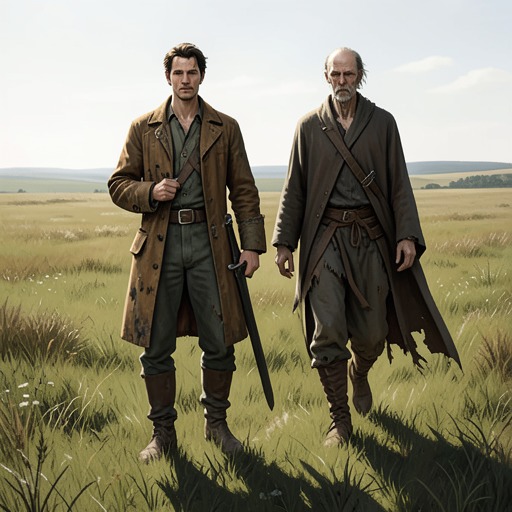
Sancho sets out for his governorship in a lawyer’s clothes, wearing a tawny watered-camlet garment and cap, mounted on a mule. By the Duke’s orders, Dapple follows with new silk trappings. Sancho repeatedly looks back at his ass, so pleased to have him along that he would not trade places with the emperor of Germany. The parting is affectionate on both sides: Don Quixote gives Sancho his blessing with tears, and Sancho receives it blubbering. The scene makes clear that the promised dignity does not sever his attachment to his former life or his master.
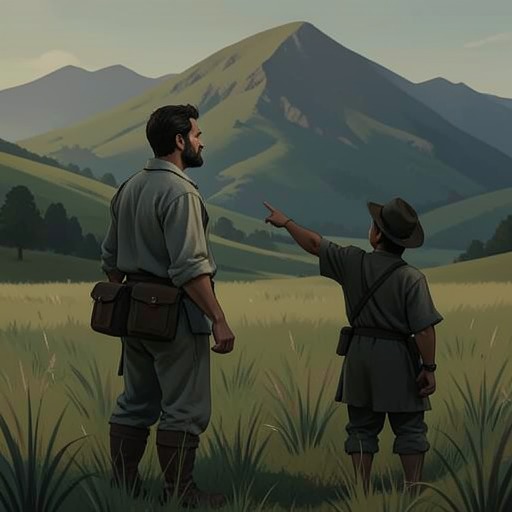
Sancho and his attendants arrive at a walled village of about a thousand inhabitants, one of the largest estates belonging to the Duke who promises Sancho an island. The people explain that it is called the Island of Barataria either because the village itself bears a similar name or because the joke lies in the way its government was bestowed. Bells ring, the municipality greets him, and a procession takes him first to the principal church to give thanks to God, then to receive the town’s keys in burlesque ceremony. The residents acknowledge him as perpetual governor. His costume, beard, and squat figure astonish even some who know the arrangement is a joke; the public pageantry briefly makes the fiction of his rank look substantial.
At the judgment seat, the Duke’s majordomo explains that a new governor must answer a difficult question so that the people can assess his wit. The staging presents Sancho with a test of authority before he has even begun to govern. His inability to read the inscription recording his installation also places the ceremony’s learned, official forms beside his practical judgment. The contrast does not prevent him from taking the office seriously.
Judgments and Ordinances
Sancho’s administration is not merely ceremonial. He hears cases, gives opinions, and draws up ordinances for what he believes to be his island. His rules address everyday trade and public conduct: he prohibits provision hucksters; permits wine to be imported from any place if its origin is declared, so its price can reflect its quality and reputation; and threatens severe punishment for watering wine or misrepresenting its name. He lowers the prices of shoes, especially, and sets a fixed rate for servants’ wages because he thinks these costs have become excessive.
His laws also take aim at public deception and exploitation. He imposes heavy penalties for lewd songs, and bars blind men from singing of miracles unless they can produce reliable evidence, reasoning that fabricated claims harm the true ones. He creates an official to investigate whether people begging as poor or disabled really need assistance, rather than simply harassing them. The narrator reports that Sancho makes many good rules, later preserved as the constitutions of the great governor Sancho Panza. The laws are comic in their particulars, but they show a ruler trying to distinguish genuine need from fraud and to regulate abuses that affect ordinary people.
The Mock Siege and Resignation
The governorship’s burdens culminate in a staged alarm. The narration introduces the episode by reflecting on how quickly worldly positions pass away. On the night it describes as the seventh day of Sancho’s rule, bells, shouting, drums, and trumpets awaken him. More than twenty people rush toward him carrying torches and naked swords, declaring that the island is under attack and that his skill and courage are needed. They strap shields around him and set him between them, turning his body into part of the joke. In the confusion, he falls and is trampled. When lifted up, bruised and exhausted, he asks only for a drink of wine and for someone to dry him off; he then faints.
After recovering, Sancho dresses in silence and walks painfully to the stable. There he embraces Dapple, kisses his forehead, and remembers the uncomplicated happiness of their earlier life, when his only concerns were mending the ass’s harness and feeding him. The contrast with the anxieties of ambition gives his resignation its emotional force. As he saddles Dapple, he says, "Come along, comrade and friend and partner of my toils and sorrows." He has not merely tired of the mock battle: he has concluded that the dignity of office has brought him a life less free and less suited to him.
Sancho tells the officials to let him return to his former freedom. Ploughing, digging, pruning, and tending vines, he says, suit him better than defending provinces and kingdoms; he would rather have a reaping-hook than a governor’s sceptre. He sums up the choice with the proverb, "Saint Peter is very well at Rome; I mean each of us is best following the trade he was born to." When Doctor Pedro Recio offers medicine for his bruises and promises to let him eat more freely, Sancho refuses to stay. He is tired of the doctor’s restrictions as well as the other indignities of government, and insists on leaving.
Departure and Return
The majordomo asks Sancho to give an account before departing, saying a governor must do so before leaving the place he has governed. Sancho answers that he will account to the person appointed by the Duke, and that leaving without money is evidence enough that he has governed honestly. The officials agree to let him go and offer supplies for the journey. He asks only for barley for Dapple, half a cheese, and half a loaf for himself. They embrace him; he embraces them in turn, leaving them impressed by both his remarks and the firmness of his decision.
Back at the castle, Sancho first puts Dapple in the stable, saying the ass had spent a bad night in his former quarters, and only then goes to see the Duke and Duchess. He reports that he entered the governorship naked and leaves it the same way, having answered questions and decided cases while constantly hungry. He describes the nighttime attack, his fall into a pit, and his eventual escape, then says that the responsibilities of governing exceed what his shoulders can bear. He chose to abandon the government before it could undo him. Though Don Quixote fears that Sancho will lapse into absurdities, Sancho’s account ends with a plain explanation of his priorities: his master’s service may involve fear, but at least he can eat his fill.
Meaning and Later Recollection
Sancho’s resignation reverses the expected movement from low status toward public power. He accepts the appointment, takes its duties seriously, and shows that practical intelligence can make him a capable judge; yet he does not treat advancement as an end in itself. His return to Dapple and his request for modest food place liberty, companionship, and sufficiency above the title of governor. The joke depends on a false island and a false appointment, but the judgments and the choice to leave reveal genuine character.
Later, when Don Antonio asks whether Sancho has been a governor, Sancho answers that he governed Barataria for ten days, lost his rest, learned to look down on all the governments in the world, fled the office, and survived a fall into a pit. Don Quixote then gives the company a detailed account of the governorship. The episode thus becomes a story Sancho and his master carry beyond the mock administration: its lasting point is not that power made Sancho someone else, but that experience taught him what he was unwilling to sacrifice for it.